Treasure Hunt in 2025: Why This Game Format Remains Engaging and Relevant
Treasure Hunt has evolved into one of the more distinctive live-game experiences, blending real-time interaction with a gameplay model driven by probability and pattern recognition. By 2025, the format stands out for its transparent mechanics, clear volatility structure, and steady appeal among players seeking strategic depth rather than pure randomness. This overview provides an evidence-based look at how the game functions today and what makes it compelling.
Core Mechanics Behind Modern Treasure Hunt Formats
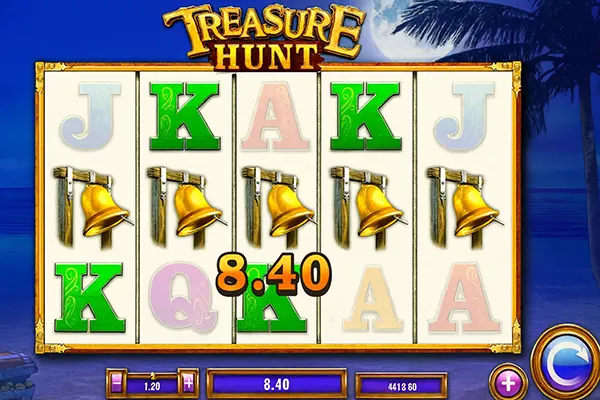
Contemporary Treasure Hunt titles typically feature grid-based gameplay where players select positions that may reveal multipliers or cash values. The mechanics emphasise informed decision-making, as each grid contains a predetermined distribution of prizes published by the provider. This clarity allows players to evaluate potential outcomes before placing a stake.
In 2025, game developers have refined the logic behind prize allocation using certified RNG systems and publicly verifiable audits. This ensures that the grid layout remains fair while providing consistent mathematical behaviour. These frameworks are overseen by licensing authorities such as MGA and UKGC, which require precision and traceability in RNG modelling.
Another notable aspect is the balance between speed and user control. Rounds proceed at a measured pace, giving players the opportunity to evaluate the board without feeling rushed. This pacing is the reason many Treasure Hunt versions appeal to analytical players who prefer structured rounds over continuous spinning formats.
How RTP and Multipliers Shape the Experience
The standard RTP range across major Treasure Hunt games in 2025 sits between 94% and 96%, depending on the chosen number of picks. RTP adjusts dynamically: the more positions a player selects, the more the theoretical return shifts due to probability changes. This system rewards players who understand how selection volume influences expected value.
Multipliers continue to play a substantial role. Modern editions incorporate layered multiplier sequences—such as random boosts, multi-stage reveals, or chained bonuses—that increase variability while keeping the mathematical model predictable. Developers publish multiplier limits to ensure full transparency for players evaluating risk levels.
Importantly, multiplier probabilities are now listed in provider documentation, which became an industry requirement in 2024. This improved clarity helped players assess volatility more accurately, strengthening trust in providers and attracting a broader audience to grid-based live games.
Volatility Levels and Their Impact in 2025
Treasure Hunt games typically fall into medium or medium-high volatility categories. This means rewards occur at moderate frequency, but top-end prizes come with noticeable variance. Players in 2025 increasingly prefer this middle ground, as it offers a clear risk–reward structure without extremes.
Developers have also updated volatility ratings to align with independent lab testing standards. These revisions reflect real statistical performance rather than marketing interpretations. As a result, players today have access to more reliable volatility classifications compared to earlier years.
Another trend is segmented volatility settings, where players choose between modes with different probability distributions. This caters to various playing styles without altering the underlying fairness of the game. Such flexibility has contributed to sustained interest in the Treasure Hunt format across global markets.
Player Behaviour and Volatility Awareness
By 2025, player literacy around volatility has increased significantly thanks to educational content from regulators and responsible gaming organisations. Many players actively examine volatility charts before selecting their preferred mode. This behavioural shift encourages more informed participation and reduces unrealistic expectations.
Treasure Hunt games present volatility clearly through documented probability tables. This level of transparency supports responsible play by enabling users to understand potential deviations and long-term outcomes. It also reinforces confidence in the authenticity of each game round.
Additionally, community channels and statistical breakdown tools have made it easier for players to track patterns across multiple rounds. While outcomes remain independent due to RNG systems, behavioural analysis helps users set more reasonable goals and manage session lengths more effectively.
Why Treasure Hunt Remains Engaging in 2025
The hybrid nature of Treasure Hunt—combining strategic board selection with chance—has ensured its relevance throughout 2025. The appeal lies not in unpredictable excitement but in the structured process of choosing positions based on transparent odds. This makes it attractive to players who appreciate fairness and predictability in design.
The growth of live studios worldwide has also improved production quality, making rounds smoother and more accessible from various devices. Providers integrate reliable streaming standards and low-latency systems, ensuring stable performance even at peak hours. These technological improvements have strengthened the game’s standing within the broader live-game sector.
Finally, operator partnerships with certified testing bodies have made Treasure Hunt one of the most documented live formats. Players benefit from clear RTP disclosures, published win tables, and real-time round logging. In an industry where trust defines long-term engagement, this consistency has made Treasure Hunt a stable and dependable option in 2025.
Future Outlook and Sustainable Interest
Based on current trends, Treasure Hunt formats are expected to receive further enhancements related to interface clarity and user analytics. Providers are focusing on presenting statistical summaries that help players understand performance without misleading interpretations. These tools will likely become standard by late 2025.
The move toward regulated transparency continues to strengthen the game’s position. As more jurisdictions demand detailed reporting from studios, players gain access to accurate technical data that supports informed decision-making. This contributes to sustained interest and long-term stability of the format.
With responsible gaming features becoming more advanced, Treasure Hunt modes increasingly prioritise player protection. Time limits, spending controls, and reality checks are now integrated directly into live interfaces. The combination of structured mechanics and high-standard safety features ensures that Treasure Hunt remains relevant and resilient across regulated markets.